
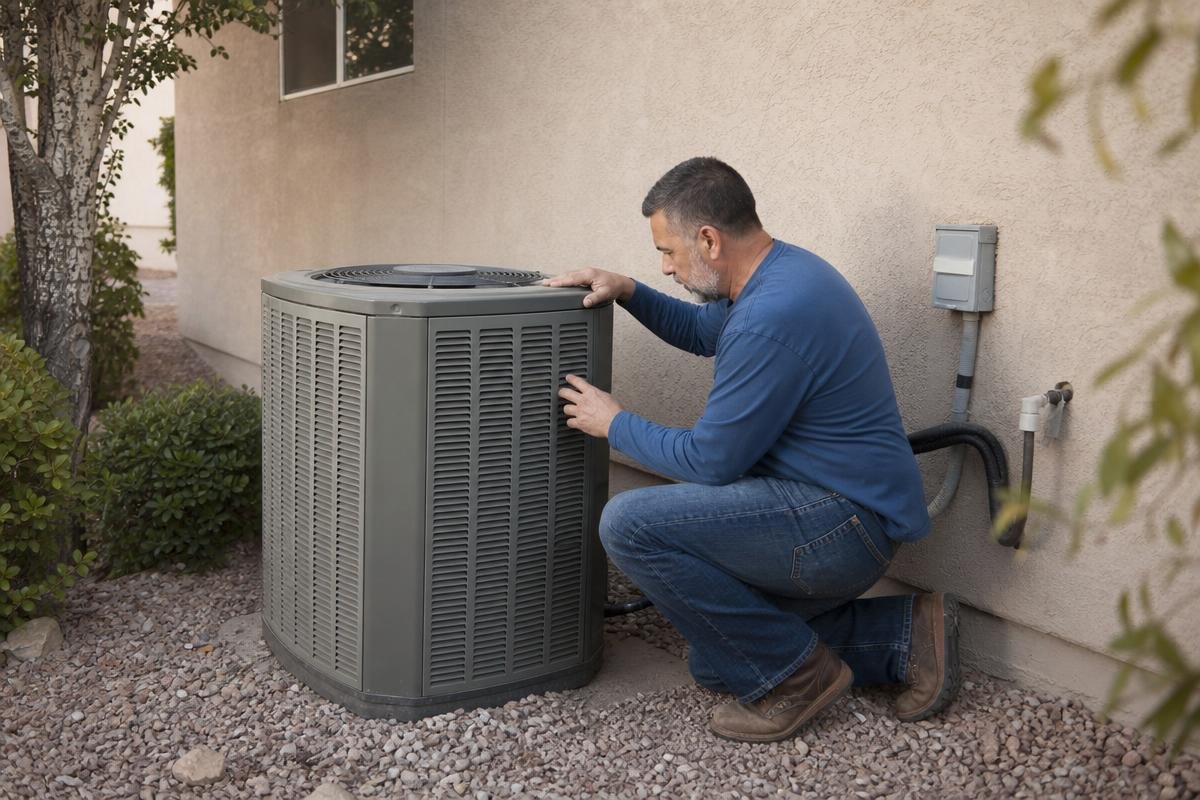
Spring is short in Las Vegas. You get a few mild weeks before June heat pushes your AC into overdrive, and that window is exactly when your HVAC system and plumbing need attention. Dust storm season coats condenser coils, hard water quietly scales your water heater, and a skipped tune-up in April can mean a breakdown on a 110-degree July afternoon. This spring home maintenance checklist is built specifically for Las Vegas homeowners, not a generic national list. At Bumble Breeze Plumbing, Heating & Air, our licensed technicians serve homeowners across the valley from our shop at 4755 W University Ave and help homeowners prepare their HVAC and plumbing systems before the season turns.
Get your home ready before the heat hits. Schedule your spring HVAC and plumbing checkup today.
Key Takeaways
- Las Vegas homeowners have a narrow spring window to prep HVAC and plumbing before 110-degree summers arrive in June.
- This spring home maintenance checklist covers AC, plumbing, drains, indoor air quality, and electrical, all tailored to desert conditions.
- Spring wind and dust events clog condenser coils and air filters, making an AC tune-up before May a smart move.
- Local hard-water conditions can accelerate scale buildup in water heaters and supply lines.
- Skipping spring maintenance often turns a small fix into a costly emergency repair during peak cooling season.
Why Spring Maintenance Hits Different in Las Vegas
Most cities get a gradual warm-up. Las Vegas does not. Temperatures climb from comfortable to brutal in a matter of weeks, and 90-degree days can arrive before many homeowners have even thought about scheduling an AC tune-up. The February-to-April window is your only real opportunity to get ahead of it.
When Should Las Vegas Homeowners Start Spring Maintenance?
Start between February and April. The valley averages fewer than 5 inches of rain per year, and that mild stretch is often the safest and most comfortable time to inspect roofing, clean condenser coils, and service your HVAC system before the first 90-degree days hit. Miss that window and you are scheduling emergency repairs in 105-degree heat.
This is why a desert home maintenance checklist looks different from what you read in national guides written for Chicago or Atlanta. Those checklists assume you have until May. Here, you do not. From older ranch homes in the east valley to newer builds out west, the exposure conditions and the tight scheduling reality are the same.
Hard Water and Dust: A Two-Front Problem
Local hard-water conditions can contribute to sediment buildup in tank water heaters and supply lines. Follow the manufacturer’s maintenance guidance for your equipment.
Layer dusty periods on top of that and you have a two-front problem. Spring dust storms coat outdoor AC condenser coils and pack air filters with fine particulate before peak cooling season even begins. That combination, mineral scale inside and dust outside, forces your equipment to work harder right when it needs to perform at its best. If you are concerned about what that dust is doing inside your home, our Indoor Air Quality in Las Vegas service page covers your options.
Las Vegas’s intense sun and frequent clear skies expose caulk, seals, and roofing materials to substantial UV radiation. Stucco-and-tile homes across the valley all face the same conditions, and the maintenance window and task list do not change from one neighborhood to the next.
Spring Home Maintenance Checklist: HVAC Tasks Before Summer Heat Arrives
Peak cooling season arrives fast. By the time most homeowners think about their AC, the first 90-degree days are already here. Work through these six tasks now so your system is ready before it has to run full capacity.
When Should I Schedule an AC Tune-Up in Las Vegas?
Book your AC tune-up by April, before schedules fill. A proper professional AC tune-up service covers refrigerant level checks, electrical connection inspections, moving-part lubrication, and a full system performance test. Once temperatures climb past 90 degrees, every HVAC company in the valley is slammed with emergency calls, so early booking is the whole game.
Book your April tune-up before our schedule fills up.
How Often Should Las Vegas Homeowners Change Air Filters?
Every 30 to 60 days during dusty periods, not the standard 90-day national schedule. Blowing dust coats filters fast, so swap yours often and stick with a MERV 8 to 11 rated filter for residential use. Changing your AC filter on schedule is one of the cheapest ways to protect a system that costs thousands to replace.
Clear the Condensate Drain Line
Algae and mineral deposits build up inside the condensate drain line and back water into the air handler. That moisture can damage ceilings and walls before you notice anything is wrong. Flush the line with diluted vinegar or have a tech clear it. Read more about why a clogged condensate drain is a problem before it becomes a costly repair.
Clean and Clear the Outdoor Condenser Unit
Power the unit off, then rinse the fins gently with a garden hose. Never use a pressure washer. Keep at least two feet of clearance around the unit. A dirty condenser works harder, pulls more power, and shows up on your electric bill every month it runs.
Test and Upgrade the Thermostat
Any thermostat over 10 years old or non-programmable should be replaced before peak demand season. For customers enrolled in an eligible time-of-use plan, a smart thermostat may help shift cooling away from higher-rate periods. Check current utility programs before purchasing. Our team handles smart thermostat installation quickly, usually in a single visit.
Inspect the Air Ducts Before Full-Capacity Season
Leaky ducts can send conditioned air into extremely hot attic spaces. Schedule a duct inspection and sealing assessment before peak cooling season.
Your Spring Plumbing Checklist: 7 Tasks to Protect Your Home’s Water System

That mineral load quietly attacks your water heater, fixtures, and supply lines all year long. Work through these seven tasks now, while the weather is still mild, before summer puts your plumbing under real stress.
1. Flush the Water Heater
Sediment from hard water settles at the bottom of your tank and forces the unit to work harder. Flush it once a year, and if your heater is 8 to 12 years old, have a technician inspect the anode rod too. A depleted anode rod accelerates tank corrosion fast. Read our top 7 signs your home water heater is failing if you are unsure whether yours is worth saving.
2. Fix Dripping Faucets and Worn Fixtures
A single dripping faucet wastes hundreds of gallons per year. In a desert city with active water conservation mandates from the Southern Nevada Water Authority, that is not something to defer. Worn washers and cartridges are inexpensive fixes now and expensive water bills later.
3. Test Water Pressure
Normal residential pressure runs 40 to 80 PSI. A reading outside that range points to a failing pressure regulator, mineral-narrowed supply lines, or a hidden leak somewhere in the system. If your pressure feels off, our leak detection service can pinpoint the problem before it becomes a costly repair.
4. Check Under-Sink Connections and Toilet Bases
Pull open every cabinet under your sinks and look for moisture, staining, or soft wood. Check toilet bases for any movement or discoloration on the floor around them. Small leaks have a way of hiding behind cabinetry for months before the damage shows.
5. Run Water Through Infrequently Used Drains
Your guest bath and utility sink sit dry all winter. That dries out the P-trap water seal, and sewer gas can enter the home through the open drain. Thirty seconds of running water re-establishes the seal and eliminates the odor.
6. Inspect Outdoor Hose Bibs and Drip Irrigation
Hard water mineral deposits clog drip emitters over winter. Walk each zone and clear any blocked emitters before your first watering cycle. Check hose bib connections for cracks that may have developed during cooler nights.
7. Address Slow Drains Before Summer
Slow drains in spring mean grease, soap, and hair have been building up all winter. Left alone, a partial clog becomes a full blockage right when your home is at peak occupancy. Our Drain Cleaning in Las Vegas service clears buildup completely, and our guide on why routine drain maintenance saves time and money keeps it from coming back.
Exterior and Roof Checks Every Las Vegas Homeowner Should Make in Spring
Your home’s exterior takes a beating every year from high winds, intense UV exposure, and the occasional haboob. Before the hottest months arrive, take a walk around your home and look for damage that quietly worsens once summer locks in. These checks are a core part of any solid desert home maintenance checklist.
Roof and Flashing Inspection
Tile roofs across the valley share the same vulnerability: high winds displace or crack tiles, and lifted flashing around HVAC roof penetrations lets water in during monsoon season. Monsoon arrives in July and August, and it delivers heavy rain fast. If your flashing is compromised, water finds its way in before you know it.
Walk the perimeter and look up. Cracked tiles, lifted metal flashing, and dried-out sealant around any roof penetration all need attention now. A roofing contractor can handle tile repairs; your HVAC tech should inspect the flashing around rooftop equipment during your annual tune-up.
Gutters, Downspouts, and Drainage
Yes, gutters matter even here. Our area averages fewer than 5 inches of rain annually, but when monsoon storms hit, they dump a lot of water in a short time. Clogged gutters overflow fast and push water against your fascia and foundation. Make sure downspouts direct water at least 6 feet from the foundation to prevent intrusion.
Clear out any debris, check that downspout extensions are intact, and confirm water flows away from the home. This is one of the most overlooked home maintenance tips for valley homeowners.
Windows, Doors, and Caulking
UV exposure at our latitude degrades silicone and latex caulk faster than almost anywhere in the country. Cracked or shrinking caulk around window frames and door openings lets conditioned air escape, which drives up cooling costs all summer. Replace failed caulk now, before summer heat cures it in a failed state. Improving your air sealing also connects directly to better home insulation and lower cooling costs, so the two tasks go hand in hand.
Test your exterior door weatherstripping too. Press your hand along the door edge while it’s closed. If you feel air movement, the compression seal is gone. New weatherstripping is inexpensive and makes a real difference once the AC runs continuously.
Concerned about rooftop HVAC equipment or comfort problems caused by air leaks? Our technicians can inspect your HVAC system before the heat arrives. Call us at (702) 703-1346 to schedule a visit.
Indoor Air Quality and Safety Checks to Add to Your Spring List
Once homeowners close their windows for summer, they stay closed for months. The heat seals homes tight, and your AC recirculates the same air over and over. That makes right now the last practical window to clean up what’s inside before that cycle begins.
Smoke and Carbon Monoxide Detector Testing
Test every smoke and CO detector in your home this season. Press the test button, replace batteries as a seasonal habit, and check the manufacture date on each unit. CO detector lifespans vary by model. Follow the manufacturer’s listed replacement date and end-of-life warning. The sensor degrades over time and may not detect dangerous levels accurately.
Smoke detectors follow a similar rule. Most manufacturers recommend replacing them every 10 years. A quick check of the date stamped on the back takes less than a minute and could save your family’s life.
Improving Indoor Air Quality Before Summer Seals Your Home Tight
Blowing dust drops a significant amount of fine particulate into your ductwork over winter. When your AC kicks into full gear, that dust and those allergens get pushed through every room in the house. A duct cleaning before peak cooling season removes that buildup at the source. Our blog covers the signs it is time for a duct cleaning.
Beyond duct cleaning, whole-home air purifiers and UV light systems treat air at the source before your home seals up for summer. Bathroom and kitchen exhaust fans also deserve a look. A clogged exhaust fan pushes moisture and particulates back into your living space instead of outside. Check that each fan vents properly to the exterior and clear any dust buildup from the grille. For a full picture of your options, visit our Indoor Air Quality in Las Vegas service page.
Landscaping and Outdoor Prep for the Las Vegas Spring Season
The mild weeks between February and May are your only real window to get outdoor work done before the heat peaks. Once temperatures climb, plant stress increases, irrigation demand spikes, and any deferred maintenance becomes a bigger problem. Take care of your yard and outdoor systems now.
Desert Landscaping Maintenance
Most valley homes rely on xeriscape rather than traditional turf. That means cacti, succulents, ornamental grasses, and decomposed granite. Early in the season, trim dead growth from cacti and prune back ornamental grasses before new growth pushes through. Top off decomposed granite or rock mulch now; a fresh layer slows evaporation once heat builds. For grass-care timing, follow local horticultural guidance for your specific grass type.
One outdoor task that directly affects your HVAC system: check the clearance around your AC condenser. Plant growth within two feet of the unit restricts airflow and forces the system to work harder. A quick trim now protects efficiency all summer. If your condenser is already showing signs of strain, our HVAC Services in Las Vegas team can inspect it before the heat peaks.
Irrigation System Startup and Drip Line Inspection
Given the region’s mineral-heavy water, drip emitters clog over the winter without fail. Before you increase run times for warmer weather, run each irrigation zone manually. Check every emitter for blockage, inspect poly tubing for stress cracks, and verify your controller schedule matches current temperatures. Our blog on the ultimate summer vacation plumbing checklist has additional tips worth reviewing before summer arrives.
Frequently Asked Questions
When is the best time to schedule HVAC maintenance in Las Vegas?
February through April is your window. By May, technician schedules fill fast and outdoor temps are already pushing toward 90 degrees. Book early and your system is ready before the first heat wave hits.
How often should I replace my air filter in Las Vegas?
Every 30 to 60 days during the warm months. Haboob season coats your condenser and clogs filters faster than most homeowners expect. If you have pets or allergies, stay at the 30-day end. A MERV 8 to 11 filter balances good filtration without choking your airflow.
What plumbing tasks should I prioritize in spring?
Start with your water heater flush, then check faucets for drips and inspect under-sink supply lines. Finish with a water pressure test. Hard water scale and mineral buildup are the main threats to plumbing in this area, so tackling the water heater first makes the most sense.
Does Las Vegas hard water really affect my water heater that much?
Yes. Hard-water conditions can contribute to faster sediment buildup. Follow the manufacturer’s maintenance guidance, and ask a qualified plumber whether more frequent service is appropriate for your system. Read our blog on the top 7 signs your home water heater is failing if you are not sure where yours stands.
What HVAC maintenance can I do myself versus what requires a licensed technician?
You can safely replace filters, clear debris from around the outdoor condenser, and test your thermostat. Leave refrigerant handling, internal electrical work, and extensive coil cleaning to a qualified HVAC technician.
How do I know if my AC needs a tune-up or a repair?
A tune-up is preventive service on a system that is working. A repair is needed when your system is not cooling, is making unusual noises, or is short-cycling. If you are hearing something off, our blog on the noises your AC system should not make is a good starting point. When in doubt, call us and we will tell you exactly what you need before any work begins.
Summer in the valley is not the time to discover a problem. Call Bumble Breeze Plumbing, Heating & Air at (702) 703-1346 to schedule spring HVAC maintenance or a full spring inspection. Our team serves the entire valley from our base at 4755 W University Ave. Book early in spring and get ahead of the schedule rush before the heat arrives.
Ready to Get Started with Bumble Breeze Plumbing, Heating & Air?
Call (702) 703-1346 to speak with our team directly. We’re ready to answer your questions, walk you through your options, and help you find the right solution for your needs. Whether you’re just starting to plan or ready to move forward, we’ll make the process simple and stress-free.
Reach out today and let’s talk about how we can help.