
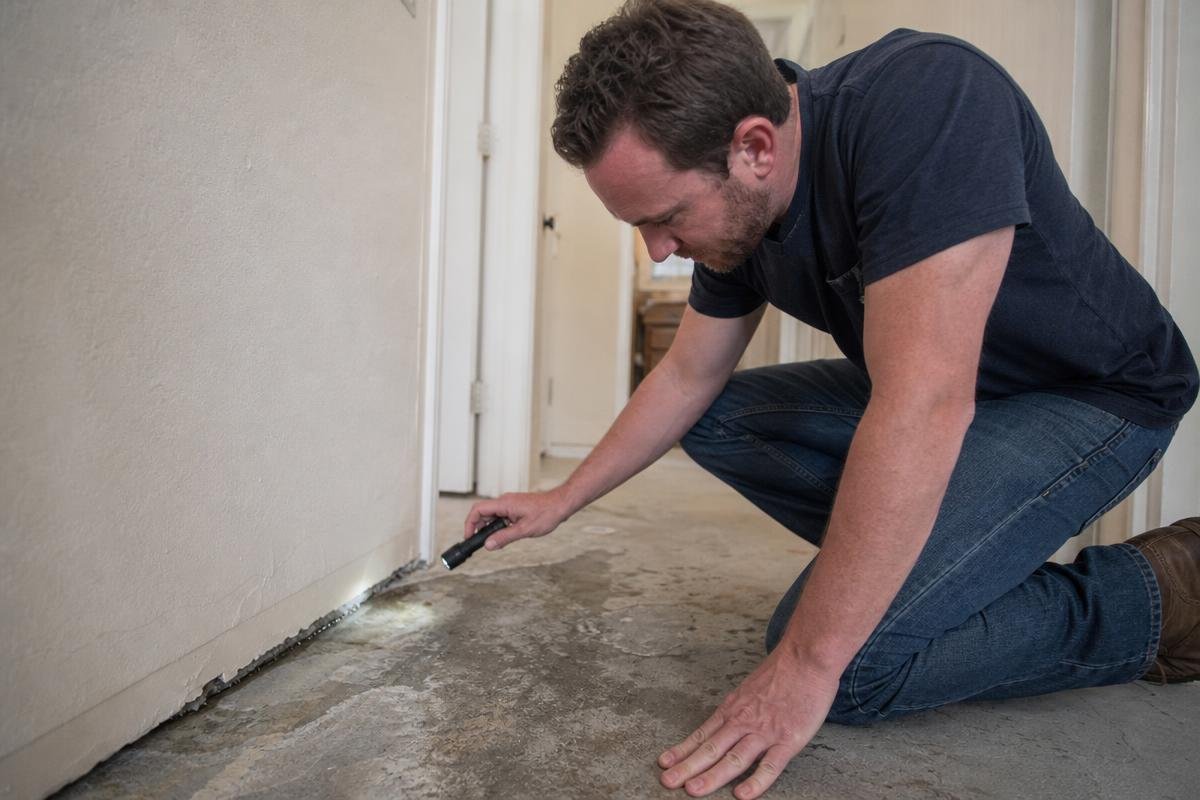
A slab leak can quietly destroy your home’s foundation, spike your water bill, and cause mold to grow beneath your floors before you notice a single visible sign. In Las Vegas, the problem moves faster than most homeowners expect. Our valley’s extremely hard water accelerates copper pipe corrosion, and thousands of homes built in the 1970s through early 1990s are now showing the consequences. At Bumble Breeze Plumbing, Heating & Air, we help Las Vegas homeowners catch slab leak symptoms early, before a small drip turns into a costly repair. Noticed something off with your water bill or floors? Let’s take a look.
Key Takeaways
- Common slab leak symptoms include warm spots on floors, unexplained water bill spikes, and the sound of running water with all taps closed.
- Las Vegas homes built before 1995 face higher slab leak risk due to aging copper pipes and hard-water mineral buildup.
- A slab leak left unrepaired can cause foundation cracks, mold growth, and serious structural damage over time.
- Early detection saves money. Catching a slab leak before it worsens can prevent thousands of dollars in repair costs.
At Bumble Breeze Plumbing, Heating & Air, we take slab leak calls every week from homeowners across the valley, and we know how these signs can hide in plain sight, especially in our dry climate where you might not expect water damage to be a problem. This article walks you through the seven slab leak symptoms to watch for, why local conditions make the risk worse, and exactly what to do if something seems off.
What Is a Slab Leak and Why Does It Happen?
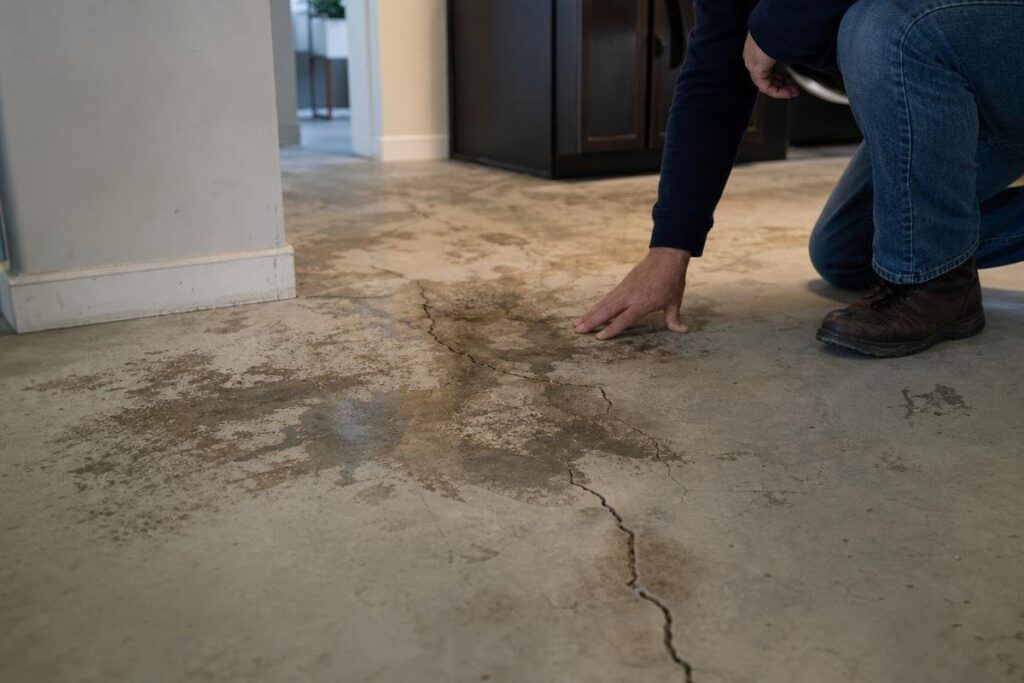
A slab leak is a water leak in the supply or drain lines beneath your home’s concrete foundation. Water escapes into the gravel bed or soil below the slab with nowhere to go, so the leak stays active around the clock. You may not see a single drop of water on your floor, but the damage is building up underneath you.
How Water Lines Run Under a Las Vegas Home
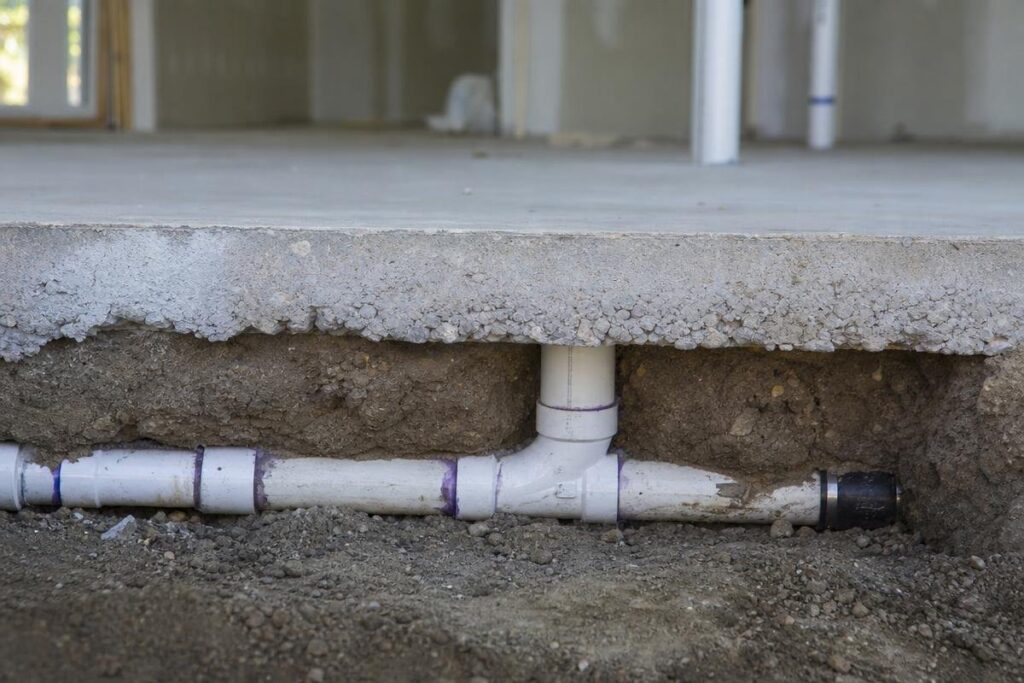
Most homes built in Clark County from the 1960s through the early 1990s sit on post-tension concrete slabs. Supply lines and drain pipes run through or directly beneath that concrete before branching up into your walls. Once the slab is poured, those pipes are essentially locked in place. There is no crawl space to inspect, no easy access point. If a pipe starts failing down there, the only clues you get are the symptoms showing up inside your home.
What Causes Pipes to Fail Beneath the Concrete
Three things work against underground pipes here in the valley. First, the water itself. The Las Vegas Valley Water District delivers water at roughly 278 parts per million hardness, one of the highest readings in the country. That level of hard water in Las Vegas causes calcium and magnesium to slowly abrade copper pipe walls from the inside out, year after year.
Second, the soil moves. The valley’s caliche and sandy loam expand and contract with temperature swings and the July through September monsoon rains. That movement stresses pipe joints at every bend beneath the slab.
Third, age. Copper supply lines in homes built before 1990 in older neighborhoods like Paradise and Whitney are now 35 to 50 years old, and galvanized steel pipes corrode from the outside in. The cause of the failure matters because it determines which repair method actually solves the problem long term.
7 Slab Leak Symptoms Las Vegas Homeowners Should Know
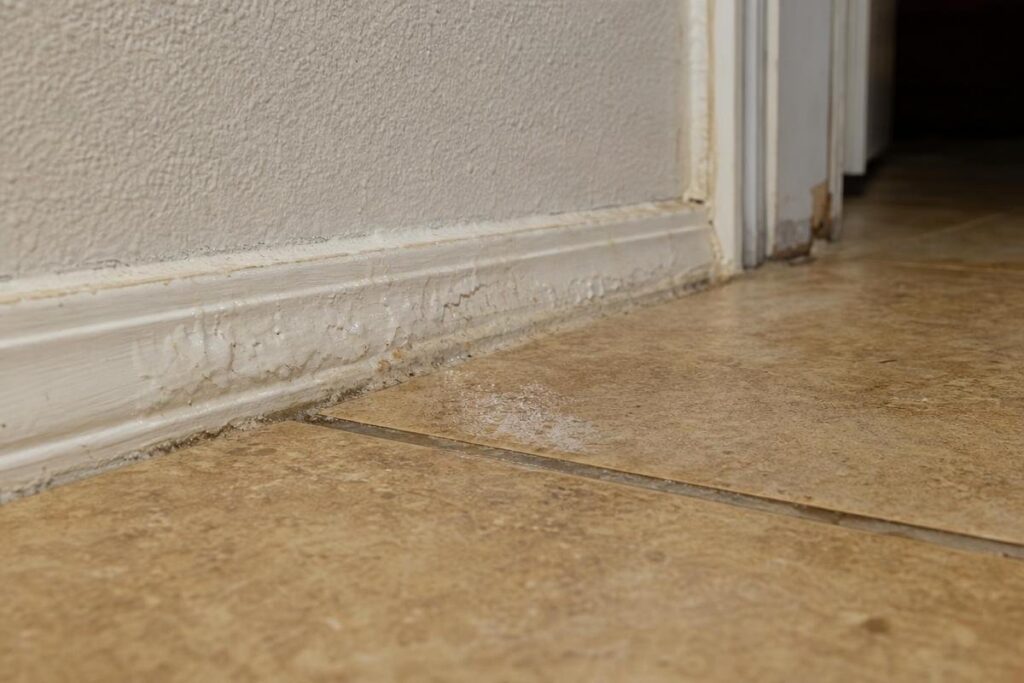
These warning signs can be subtle at first, but they always get worse over time. Knowing what to look for can save you thousands in repairs. Here are the seven signs you should never brush off.
Your Water Bill Jumps Without Explanation
A sudden spike in your water bill, with no change in your household habits, is one of the clearest signs of a slab leak. Pull your last two months of Las Vegas Valley Water District bills and compare them side by side. A jump of 20 to 40 percent with no obvious cause points directly to water escaping somewhere underground. If your usage looks normal but the bill does not, call a plumber before the next billing cycle arrives.
You Hear Running Water With Every Tap Closed
Pressurized water escaping through even a pinhole travels acoustically through concrete. If you hear a faint hissing or trickling sound after shutting off every fixture in the house, that sound is a warning sign you should take seriously. Turn off your washing machine, dishwasher, and ice maker too. If the sound is still there, the water is moving somewhere it should not be.
Warm or Hot Spots on Your Floor
A hot-water line leak warms the concrete directly above it, and the tile floors common in valley homes conduct that heat right to the surface. Walk barefoot across your floor in the morning before the AC kicks on. A warm patch that stays warm day after day is a reliable foundation leak symptom worth investigating immediately.
Wet, Damp, or Discolored Flooring
Buckled hardwood, soft carpet spots, or dark grout lines all mean water is migrating upward through the slab. By the time your flooring shows visible damage, the leak has typically been active for several weeks. Do not wait for the damage to spread. Water sitting under flooring in a dry desert climate still feeds mold growth because it never gets a chance to evaporate.
Low Water Pressure Throughout the House
A pressure drop at one faucet usually points to that faucet. A pressure drop at every fixture at once points upstream, toward the supply line running under your foundation. That pattern is a textbook slab leak warning sign. If you want to understand other causes behind this problem, our guide on low water pressure in your Las Vegas home covers the full picture.
Musty or Mildew Smells Coming From the Floor
In a dry climate like the Mojave, musty smells near your baseboards or floor vents are not normal. Surface humidity evaporates too fast here to create that odor on its own. A continuous sub-slab moisture source bypasses surface evaporation entirely, feeding mold and mildew you cannot see. That same hidden moisture can affect your indoor air quality and aggravate allergies or breathing issues for your family.
Cracks in Walls, Baseboards, or the Foundation
Hairline cracks near door frames, sticking doors, or visible cracks along your foundation perimeter are the most serious signs on this list. They mean soil erosion from a long-running leak has already begun shifting your home’s structure. If you are seeing this stage, the repair cost climbs fast. Do not wait to get a professional out to assess the damage.
Recognize any of these seven symptoms in your home? Our licensed plumbers can pinpoint the source before it spreads.
Why Las Vegas Homes Are Especially Vulnerable to Slab Leaks
Not every city puts this much stress on underground pipes. The combination of extreme hard water, shifting desert soil, and aging copper lines makes homes in the valley significantly more prone to slab leaks than the national average. If you live in an established neighborhood built before the mid-1990s, your home may already be at elevated risk.
Hard Water Accelerates Pipe Wear
The Las Vegas Valley Water District delivers water at roughly 278 parts per million hardness, one of the highest readings of any major U.S. city. That level of hard water in the valley deposits calcium carbonate inside copper pipes year after year. Over time, that buildup corrodes pipe walls from the inside out, creating the pinhole leaks that are classic slab leak warning signs. Homes in Summerlin and Enterprise built before 1995 carry decades of that mineral damage already.
Desert Soil Movement Stresses Underground Pipes
Clark County’s caliche and sandy loam soil does not hold moisture evenly. During the July through September monsoon season, dry ground absorbs water fast and expands rapidly. That sudden shift puts real pressure on pipe joints buried beneath your foundation. A joint that held steady for twenty dry years can crack in a single wet monsoon week. This soil movement is one of the most overlooked foundation leak symptoms in the area.
The Age of Las Vegas’s Housing Stock
Construction booms in the 1970s, 1980s, and early 1990s left thousands of homes across older communities like Winchester and Sunrise Manor with copper supply lines now 35 to 50 years old. Copper has a solid track record, but hard water shortens its lifespan considerably. If your home was built before 1995, those pipes have been fighting mineral buildup and soil movement for a long time.
That is exactly why slab leak detection here so often turns up problems in older neighborhoods rather than newer master-planned communities.
What Happens If You Wait? The Real Cost of Ignoring Slab Leak Symptoms
A few weeks of delay feels harmless. But a slow slab leak running undetected for 60 to 90 days can erode enough soil beneath your foundation to cause measurable settlement. Foundation repairs can run into the tens of thousands of dollars, a cost that dwarfs what early detection and a pipe repair would have run.
Repair options also shrink the longer you wait. A small pinhole in a copper line is a straightforward fix. Leave it alone and that same line may require a full repipe or a concrete slab break to access. These warning signs are your earliest window. Catching them early keeps the job manageable.
Structural Damage That Compounds Over Time
The valley’s caliche and sandy loam soil shifts when it gets wet. Sustained moisture from a slab leak softens that base layer steadily. You may notice doors sticking, tile cracking, or visible gaps along your baseboards. These are signs that the damage has already moved above the foundation line.
Mold Growth in a Desert Climate
Many homeowners assume the dry air protects them from mold. It does not. Mold colonies can establish within 24 to 48 hours of sustained moisture. Sub-slab water does not evaporate the way a surface spill would in desert air. The sealed environment beneath your floor holds humidity regardless of what the thermometer reads outside. That trapped moisture affects your home’s indoor air quality long before you see any visible growth.
How Professionals Detect and Repair a Slab Leak
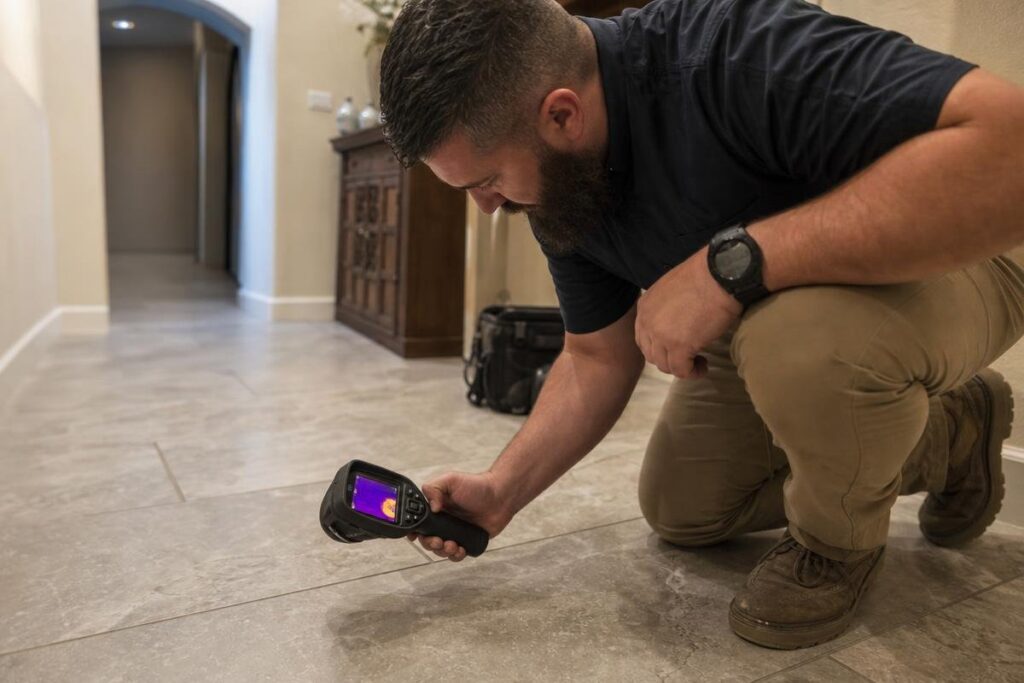
No, we do not have to tear up your entire floor to find the leak. Modern slab leak detection uses non-invasive tools that pinpoint the problem before we touch a single tile. Once we know exactly where the breach is, we can talk through your repair options and give you upfront, honest pricing before any work begins.
Non-Invasive Detection Methods
Our team uses three proven tools for water leak detection under concrete. Each one narrows down the location without guesswork.
- Electronic listening devices. Sensors placed directly on the slab surface pick up the acoustic signature of pressurized water escaping a pipe. Even a small breach creates a distinct sound our equipment can isolate.
- Thermal imaging cameras. Hot-water line leaks create temperature differentials on your floor surface. Tile floors in the valley conduct heat well, which makes thermal imaging especially reliable here. We scan the floor and the camera shows us exactly where heat is radiating up from below.
- Pressure testing. We isolate sections of your supply system to confirm which line is leaking and approximate the breach location before we ever cut into anything.
If you have noticed recurring drain or water pressure issues alongside slab leak symptoms, our team checks for related pipe problems at the same visit.
Repair Options: Spot Repair, Reroute, or Repipe
The right repair depends on where the leak is, how old your pipes are, and whether this is a one-time problem or part of a pattern.
- Spot repair. We open the slab directly above the leak, fix the pipe, and patch the concrete. This works well for a single, isolated breach in an accessible spot.
- Pipe rerouting. We run a new supply line through your walls or attic, bypassing the damaged section entirely. No major slab breaking required. This is often the least disruptive option for your home.
- Full repipe. Older homes in areas like North Las Vegas with multiple aging copper lines often see recurring leaks. Replacing all supply lines at once costs less over time than repeated spot repairs on pipes that are already failing.
We walk you through every option with clear costs attached. You choose what works for your home and your budget, and we get to work.
What Las Vegas Homeowners Say About Bumble Breeze Plumbing, Heating & Air
When slab leak symptoms show up, you need a plumber you can actually trust. Bumble Breeze Plumbing, Heating & Air holds a 4.7-star average across more than 4,200 reviews, and that number comes from real homeowners across the valley who faced exactly the kind of stressful situation you may be dealing with right now.
One homeowner, Jamal, shared that his technician refused to stop until the source of the problem was found. The tech came back the next day to make sure the repairs were done right. That kind of persistence is hard to find, especially in a market where homeowners often feel like they have no idea who to trust.
Other customers point to the professionalism of our team. Certified plumbers like Hunter and Brandon walk you through what they find, showing photos and explaining the reasoning behind every recommended repair. You know what is happening before any tool is lifted. If you are also dealing with slow drains or backup issues alongside a potential slab leak, our team handles drain cleaning in Las Vegas as well.
We are not happy until you are happy. That is not a slogan. It is how every job gets done here, from the first diagnostic to the final walkthrough.
Frequently Asked Questions
How do I know this is actually a slab leak and not a regular pipe leak?
A regular pipe leak usually shows up somewhere visible, like under a sink or near a fixture. A slab leak hides under your foundation, so the symptoms are indirect: warm spots on the floor, rising water bills, or the sound of running water when every tap is off. A licensed plumber can run a pressure test in about an hour to confirm it.
What should I do right now if I think I have one?
Turn off your main water supply valve immediately. This stops water from actively feeding the leak and limits further damage. Then call a licensed plumber and take photos of any visible damage, wet flooring, or damp walls for your insurance claim.
Will my homeowner’s insurance cover a slab leak?
Nevada standard homeowner policies typically cover sudden, accidental water damage but exclude gradual leaks. That means the resulting damage to your floors and walls is more likely covered than the pipe repair itself. Read your policy carefully and document everything before cleanup begins.
How long does detection and repair take?
Detection usually takes one to three hours. A pipe reroute can often be completed in a single day. A spot repair that requires breaking the slab may take two to three days, including concrete cure time.
Does a slab leak get worse if I wait?
Yes. Water pressure keeps the leak active around the clock, enlarging the breach and eroding the soil beneath your foundation. A pinhole can become full pipe failure within weeks. If you notice any low water pressure in your home, that alone is worth a call.
What does detection cost?
Cost varies by home size and the methods needed. We give you upfront, honest pricing before any work begins, so there are no surprises on the invoice.
Can I stay in my home during repairs?
Most homeowners can. Spot repairs create dust and noise for one to two days, but the home stays livable. Our team keeps the work area contained and walks you through what to expect before we start.
Spotted one of these symptoms in your home? Call our team at (702) 674-9775 or visit us at 4755 W University Ave, Las Vegas, NV 89103. Our licensed plumbers use non-invasive detection equipment to find the leak before any concrete is touched, and we walk you through every repair option with honest, upfront pricing. The sooner you call, the more options you have.
Ready to Get Started with Bumble Breeze Plumbing, Heating & Air?
Call (702) 674-9775 if you’ve spotted any of these slab leak symptoms. Our licensed plumbers use non-invasive detection equipment to find the source before any concrete is touched, and we walk you through every repair option with upfront, honest pricing. The sooner you call, the more options you have.