
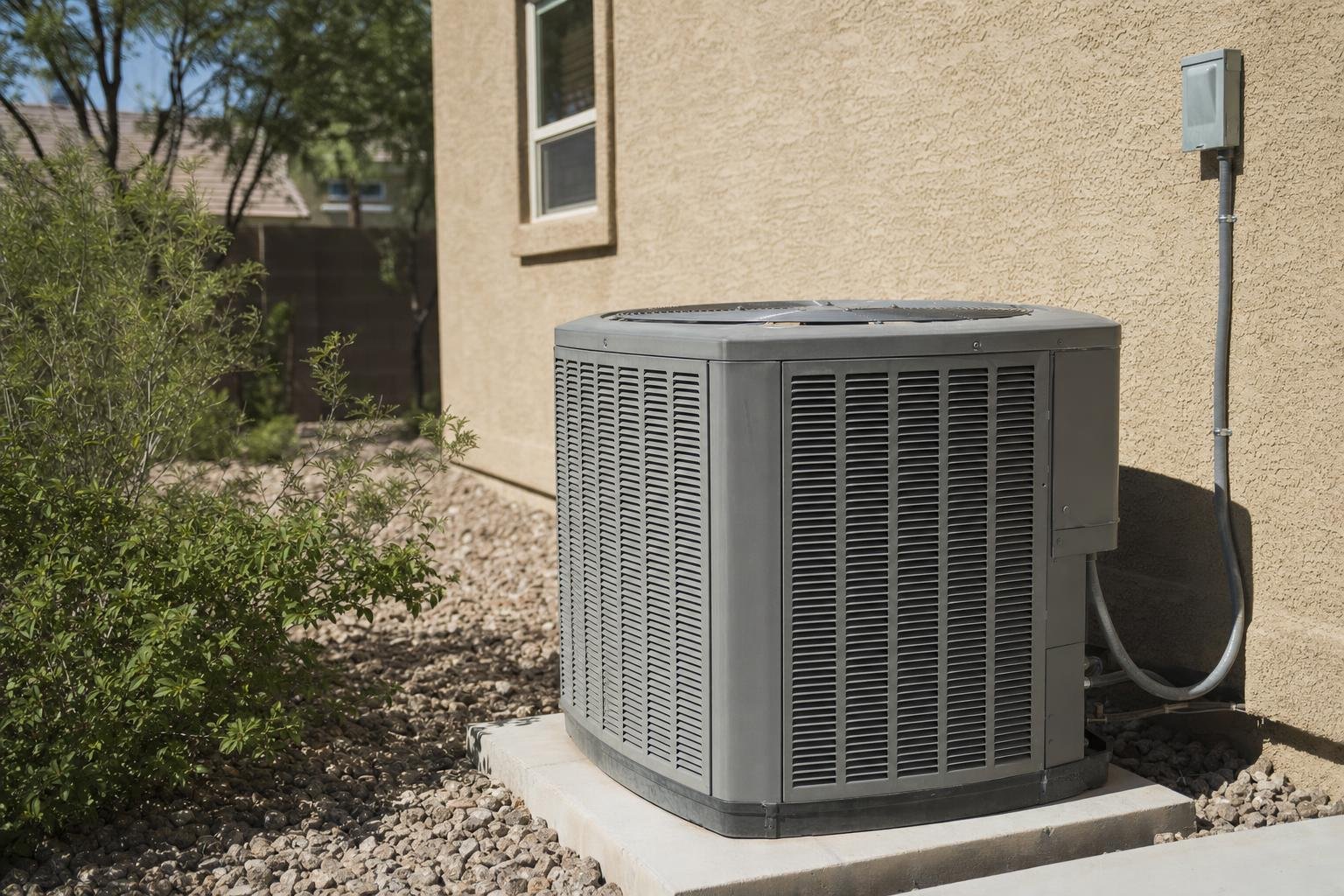
Las Vegas summers are brutal on your electric bill. Temperatures push past 115°F for weeks at a time, and your air conditioner runs almost nonstop just to keep your home livable. Knowing how to lower your electric bill here takes more than turning off lights. It takes a real plan built around your HVAC system, your habits, and your home. Our certified technicians at Bumble Breeze Plumbing, Heating & Air, based right here at 4755 W. University Ave., see these problems every summer and know exactly what works in the Las Vegas heat.
Want to stop overpaying on your energy bills this summer? Call us at (702) 674-9775 and let our team take a look.
Key Takeaways
- Your HVAC system is the single biggest driver of high electric bills during Las Vegas summers.
- Simple habits like adjusting your thermostat schedule can cut cooling costs without sacrificing comfort.
- Knowing how to lower your electric bill starts with an honest look at where energy is actually going.
- Water heating, appliances, and air leaks all add hidden costs that most homeowners overlook.
- A certified HVAC tune-up can improve efficiency and reduce what you pay NV Energy each month.
Your Summer Electric Bill in the Las Vegas Valley Is Not Normal Anywhere Else
NV Energy bills in Clark County regularly top $300 in July and August. That is not a fluke. Temperatures push past 115 degrees Fahrenheit, and your AC runs almost without stopping. The Las Vegas Valley averages more than 70 days above 100°F every summer. Your system was not built to rest.
Your AC alone accounts for 50 to 60 percent of your total summer electricity use. That is where your money is going. This guide covers 10 specific ways to lower your electric bill, from free habit changes you can make today to low-cost upgrades that pay back fast. The biggest savings start with your HVAC system.
Why Las Vegas Electric Bills Are Higher Than Almost Anywhere Else
Your electric bill isn’t high because you’re doing something wrong. It’s high because the desert works against your home every single day from June through September. Summerlin, Henderson, and Spring Valley homes face heat loads that most climates never see.
The Desert Heat Load Problem
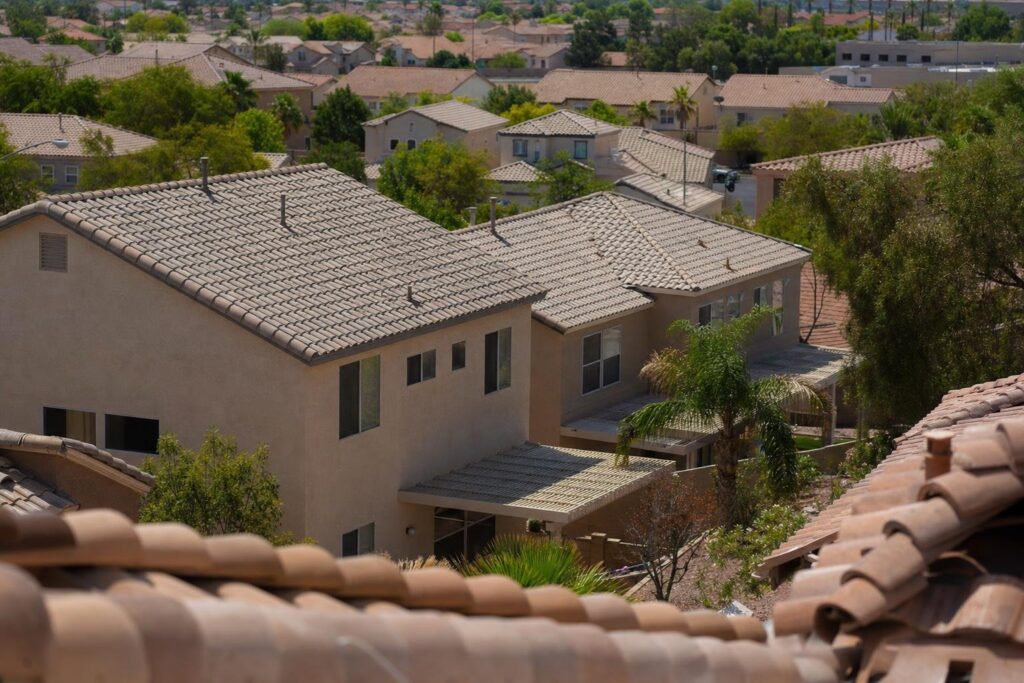
The Mojave Desert gets less than 5 inches of rain a year. With almost no moisture in the air, the sun bakes directly into your roof and walls with nothing to soften it. Stucco exteriors and tile roofs absorb that heat all day and release it slowly into your home through the evening.
Here’s the part that surprises most homeowners. Summer overnight lows in Clark County rarely drop below 85°F. Coastal climates get a natural cool-down every night for free. We don’t. Your home never fully recovers, so it starts each morning already warmer than it should be. To understand why Las Vegas AC systems run so much harder in summer, the overnight temperature problem is the starting point.
Insulation also loses effectiveness when the indoor-to-outdoor temperature difference reaches 45°F or more. That threshold gets crossed routinely here. Older construction in Spring Valley and Green Valley is especially prone to this problem.
How Your AC Runtime Drives the Bill
A standard 5-ton AC unit common in homes over 2,000 square feet draws 5 to 7 kilowatts every hour it runs. Running it 12 or more hours daily adds up fast. NV Energy uses tiered summer rates, meaning the more electricity you use, the higher the rate you pay per kilowatt-hour as you move into higher tiers.
Every hour you shave off your AC runtime saves real money, and it saves more money here than it would in a milder climate. That’s why each tip in this article carries higher value for Henderson and Summerlin homeowners than it would for someone in Seattle or San Diego.
Ways 1 Through 3: Free Habit Changes That Cut Your Bill Immediately
These three tactics cost nothing to apply today. No equipment, no appointments, no waiting. Homeowners in Paradise and Enterprise neighborhoods who follow all three together routinely trim 15 to 20 percent off their summer cooling costs.
Way 1: Raise the Thermostat Setpoint Strategically
The Department of Energy recommends 78°F when you are home and 85°F when you are away during hot summers. Every degree you drop below 78°F adds roughly 3 percent to your cooling costs. If your July bill is $280, running at 74°F instead of 78°F quietly adds $30 to $45 with no comfort benefit most people notice.
Set a programmable schedule: 85°F from 9 a.m. to 5 p.m., then ramp down to 78°F by 6 p.m. That one change can reduce energy costs this summer without you lifting a finger after the initial setup.
Way 2: Use the Pre-Cool Window Before Peak Rates
NV Energy’s Time-Of-Use plan charges a premium between 3 p.m. and 8 p.m. on summer weekdays. That is the most expensive electricity you can buy. Pre-cooling is how you avoid paying for it.
Cool your home to 74°F by 2:45 p.m., then raise the thermostat to 80°F during the peak window. Stucco walls and tile floors common in Paradise and Enterprise homes hold thermal mass well. The house coasts through the expensive hours on stored coolness. This zero-cost tactic can cut 10 to 15 percent off your bill for households that can adjust their schedule.
Way 3: Block Radiant Heat Before It Enters the House
West- and south-facing windows raise indoor temps by 10 to 15 degrees during afternoon sun. Your AC then fights to overcome heat that was entirely preventable. Cellular shades, blackout curtains, or reflective window film stop that load before it builds.
Close west-facing blinds by noon. If you already own window coverings, this saves money on your AC bill at zero cost. If you need help understanding why your system still runs hard after making these changes, our HVAC services team can identify what else is working against you.
Still seeing high bills after adjusting your habits? Our certified technicians can find what’s driving your costs. Call us at (702) 674-9775 or schedule a visit today.
Ways 4 Through 6: Low-Cost Home Upgrades With Fast Payback
These three upgrades cost little upfront and pay you back fast. Most homeowners in Clark County recover the investment within a single cooling season.
Way 4: Seal Duct Leaks That Waste Conditioned Air
Yes, duct leaks are a serious problem here. The Department of Energy estimates 20 to 30 percent of conditioned air escapes through leaky ducts before it ever reaches your living space. In attics across North Las Vegas and Spring Valley, summer temperatures hit 150 to 160 degrees Fahrenheit. Any conditioned air escaping into that heat is pure money wasted.
Homes built before 2005 are especially prone to this. Flexible duct joints shift over time, and older mastic seals crack under extreme heat. Scheduling a professional duct cleaning and inspection is one of the highest-ROI improvements you can make. Our technicians use mastic sealant to close gaps properly, not tape that dries out and fails.
Way 5: Add or Replace Attic Insulation
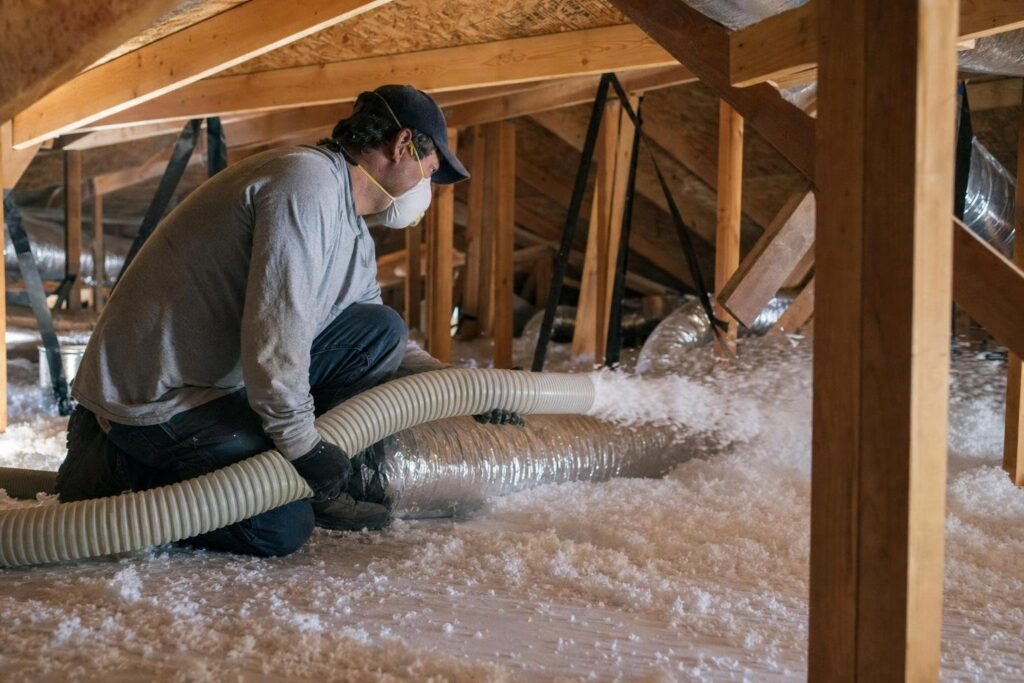
Nevada’s energy code recommends R-38 minimum attic insulation for Clark County homes. Many older homes in Spring Valley and North Las Vegas have R-19 or less. That gap is costing you money every single day of the summer.
Blown-in cellulose or fiberglass added on top of your existing batts typically costs a few hundred dollars. It can reduce your cooling costs by 15 to 20 percent and lasts more than 20 years. That is one of the strongest payback ratios available for home energy savings in Nevada.
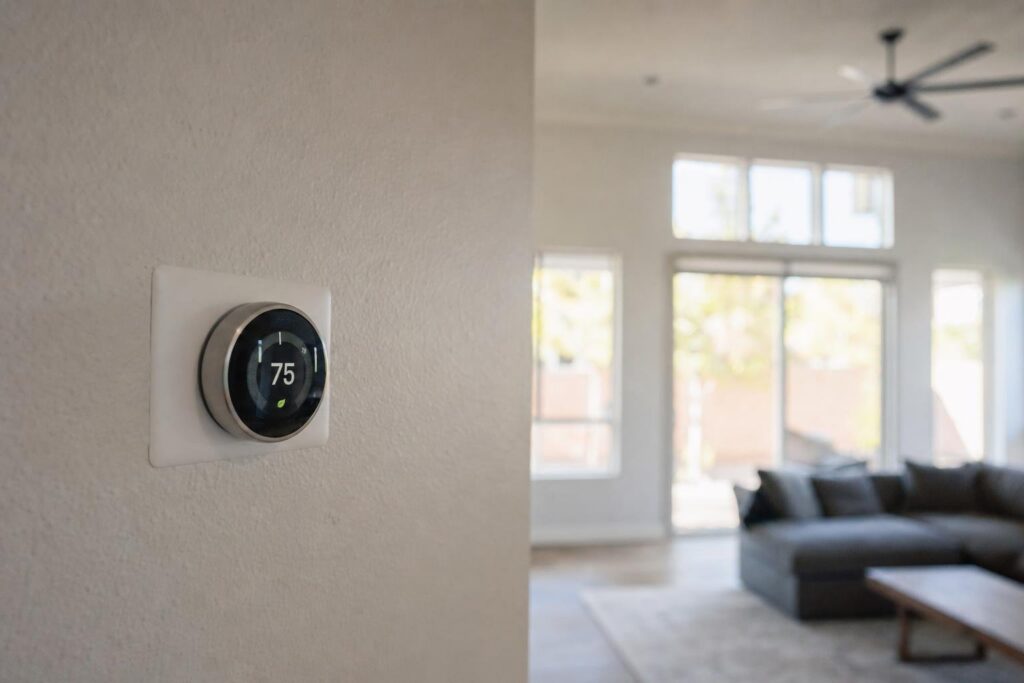
Way 6: Install a Programmable or Smart Thermostat
A basic programmable thermostat runs $25 to $50 and pays for itself within weeks during a hot Henderson summer. Wi-Fi smart thermostats from brands like Ecobee, Nest, or Honeywell T6 Pro go further. They learn your schedule and let you adjust settings remotely, so you are never cooling an empty house.
NV Energy has historically offered rebates on qualifying smart thermostats. Check the current NV Energy rebate portal before you buy. Our certified technicians can install and configure your new thermostat during a regular maintenance visit, so setup is never a guessing game.
Ways 7 and 8: Keep Your AC System Running at Peak Efficiency
Your AC system works harder than almost any appliance in your home during a Henderson or Summerlin summer. Keeping it running clean and fully tuned is one of the fastest ways to reduce energy costs this summer without replacing equipment.
Way 7: Change Your AC Filter Every 30 Days in Summer
A clogged filter does not just reduce air quality. It forces your blower motor to strain against restricted airflow every single hour your system runs, and that strain shows up directly on your electric bill. Changing your AC filter is one of the easiest ways to save money on cooling costs, and most homeowners do it far too infrequently.
The packaging on most filters says 90 days. In Clark County, that schedule does not apply. Desert dust, fine sand, and seasonal pollen can clog a standard 1-inch MERV-8 filter in three to four weeks during peak season. Our team recommends checking your filter every 30 days from June through September. If it looks gray, swap it. If you have pets or allergies, a MERV-11 filter handles more particulates. Avoid MERV-13 or higher unless a technician confirms your system can handle the added resistance without losing efficiency.
Way 8: Schedule an Annual AC Tune-Up Before Peak Season
A professional tune-up is not just maintenance. It is a direct way to lower your electric bill before summer peaks. An AC running with low refrigerant or dirty coils uses 10 to 20 percent more electricity than a properly maintained unit. That difference adds up fast across a full Nevada summer.
Our certified technicians use state-of-the-art diagnostic equipment to check refrigerant levels, clean evaporator and condenser coils, inspect the condensate drain, and test all electrical connections. These are the efficiency losses that do not announce themselves until your bill spikes. If you want to know what a professional AC tune-up costs in Las Vegas, we keep our pricing upfront before any work begins. You can also review our full HVAC maintenance checklist for local homeowners to see exactly what the process covers.
Your AC system carries the heaviest load on your electric bill every summer. A filter swap costs a few dollars. A tune-up from Bumble Breeze Plumbing, Heating & Air can pay for itself before the season ends. Our certified technicians work out of our location at 4755 W University Ave and are ready to find the efficiency losses your system is hiding. Call us at (702) 674-9775 to schedule a visit before peak season hits. We are not happy until you are happy.
Frequently Asked Questions
How Much Can a Dirty Condenser Coil Add to My Electric Bill?
A coil caked with dust and debris forces your compressor to work significantly harder, which can reduce system efficiency by 10 to 30 percent depending on the severity of buildup. In Las Vegas summers, that translates to a noticeable dollar increase on an already high bill. Bumble Breeze Plumbing, Heating & Air technicians clean condenser coils as part of a seasonal maintenance visit, which is one of the fastest ways to recover lost efficiency without replacing any equipment.
Is It Worth Installing a Whole-House Fan in Las Vegas?
Whole-house fans work best when outdoor temperatures drop below indoor temperatures, typically at night or in early morning. Las Vegas summer nights can stay above 90 degrees well past midnight, which limits how many hours per day a whole-house fan actually helps. They can still reduce AC runtime during the cooler shoulder months of spring and fall, but they are not a substitute for a properly maintained central AC system in peak desert heat.
Can I Lower My Bill by Switching to a Two-Stage or Variable-Speed AC Unit?
Yes, two-stage and variable-speed systems run at lower capacity during milder conditions instead of always cycling on at full power, which cuts energy consumption considerably over a full summer season. In a climate like the Las Vegas Valley where AC runs almost continuously for months, the efficiency gains add up faster than they would in a moderate climate.
Bumble Breeze Plumbing, Heating & Air can assess your current system and give you a payback estimate based on your actual square footage and usage patterns before you commit to a replacement.
Does NV Energy Offer Rebates for Energy Efficiency Upgrades?
NV Energy does offer rebates through their energy efficiency programs for qualifying upgrades including smart thermostats, high-efficiency AC units, and insulation improvements. Rebate amounts and eligibility requirements change periodically, so it is worth checking the NV Energy website or asking Bumble Breeze Plumbing, Heating & Air at the time of your service visit for the most current offers. Stacking a utility rebate with federal tax credits for certain HVAC equipment can meaningfully reduce your out-of-pocket cost on larger upgrades.
Will Closing Vents in Unused Rooms Save Money?
Closing vents is a common myth that actually increases strain on your HVAC system rather than saving energy. Forced-air systems are designed to distribute air across a specific load, and blocking vents raises static pressure in the ducts, which makes the blower motor work harder and can cause premature wear. Keeping all supply vents open and ensuring return vents are unobstructed is the correct approach for both efficiency and equipment longevity.
How Long Does It Take to See a Lower Bill After Making These Changes?
Free habit changes like adjusting your thermostat schedule and blocking radiant heat can show up on your very next billing cycle since NV Energy bills roughly every 30 days. Low-cost upgrades such as duct sealing and added insulation typically pay back within one to two cooling seasons in Las Vegas given how long and intense the summer is. Larger equipment upgrades like a new high-efficiency AC unit usually reach payback within three to five years depending on the efficiency rating and your previous energy use.
What Temperature Is Too Hot for an AC System to Keep Up in Las Vegas?
Most residential AC systems are engineered to maintain an indoor temperature roughly 20 degrees below the outdoor temperature at design conditions. When outdoor temps exceed 110 degrees, which happens regularly in Las Vegas, a standard system may struggle to hold 78 to 80 degrees indoors even while running constantly.
If your system cannot keep up during normal peak days and is not short-cycling or icing over, it may be undersized for your home or losing capacity due to age, and Bumble Breeze Plumbing, Heating & Air can perform a load calculation to determine the correct sizing.
Ready to Get Started with Bumble Breeze Plumbing, Heating & Air?
Call (702) 674-9775 to speak with our team directly. We’re ready to answer your questions, walk you through your options, and help you find the right solution for your needs. Whether you’re just starting to plan or ready to move forward, we’ll make the process simple and stress-free. Reach out today and let’s talk about how we can help.