
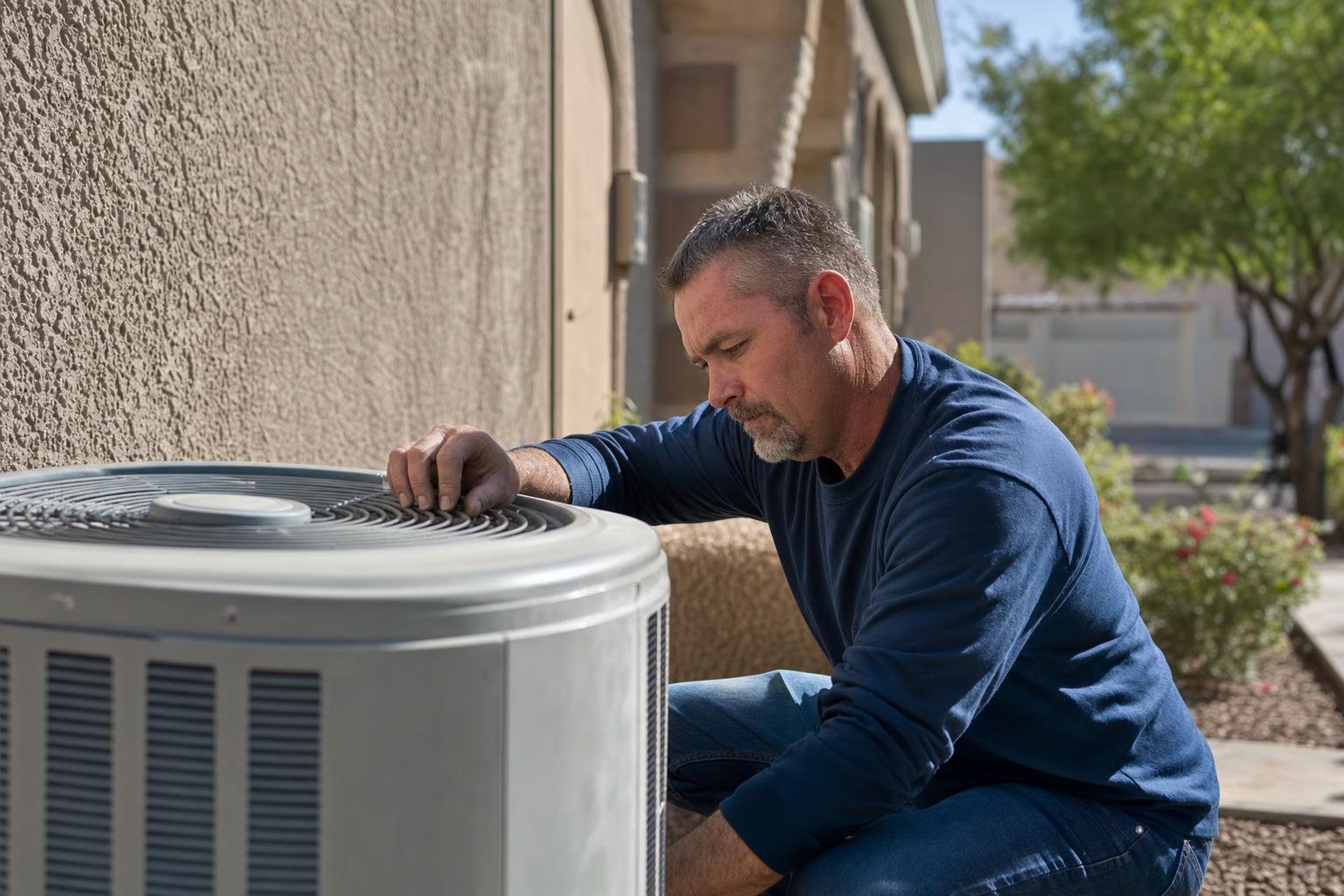
Las Vegas summers are brutal. When temperatures push past 110°F, your air conditioner runs almost nonstop, and your energy bill climbs fast. Our certified technicians at Bumble Breeze Plumbing, Heating & Air have helped hundreds of homeowners near 4755 W. University Ave. cut those bills with practical, honest energy saving tips built for the desert heat. We know this climate, we work in it every day, and we’ll tell you exactly what helps and what doesn’t.
Ready to stop overpaying on energy? Call us at (702) 674-9775 and let our team help you cool your home smarter this summer.
Key Takeaways
- Las Vegas homeowners can cut cooling costs significantly with a few targeted energy saving tips built for extreme desert heat.
- Adjusting your thermostat settings by just a few degrees can reduce your cooling bill by up to 10 percent.
- Changing your HVAC air filter regularly is one of the lowest-cost, highest-impact steps you can take this summer.
- NV Energy offers rebates on qualifying energy-efficient upgrades, putting real money back in your pocket.
- A professional HVAC tune-up before peak heat arrives helps your system run efficiently all season long.
Your Summer Electric Bill Is Not Normal. Here’s Why.
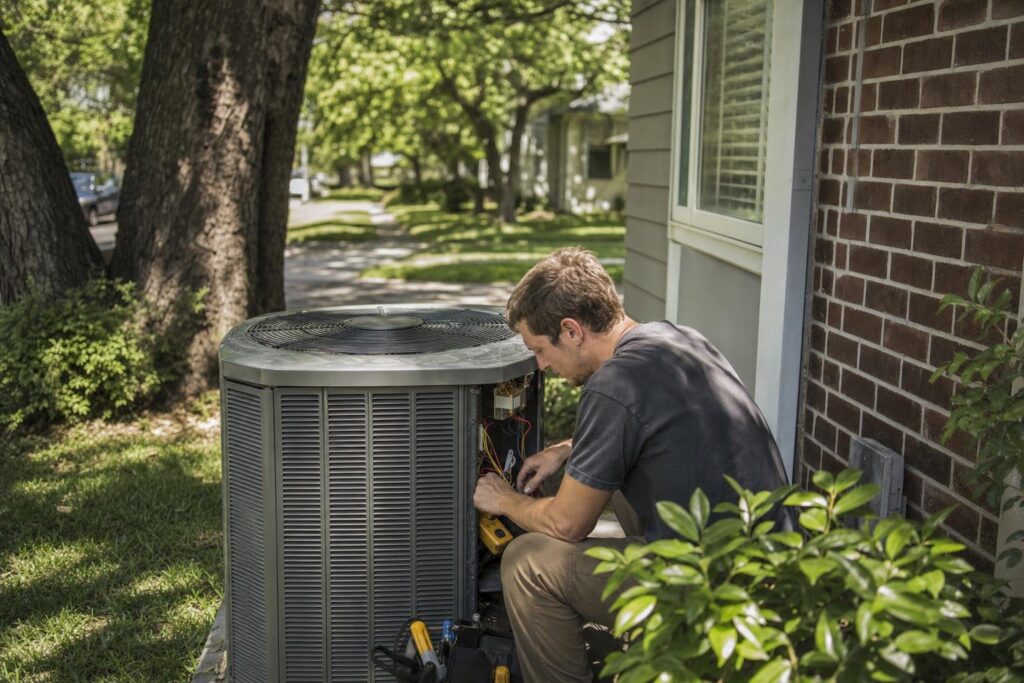
If you moved to the Spring Valley or Paradise area from almost anywhere else, your first June electric bill probably felt like a mistake. It was not. The 89103 zip code sits in one of the hottest urban corridors in the country. Temperatures here regularly push past 110°F from June through August, and your AC runs almost without stopping. That is not an exaggeration. That is a Mojave Desert summer.
Homes along the West University Avenue corridor face a specific problem. Afternoon sun hits from the west and south at the same time. That means your walls and roof are absorbing heat from two directions during the hottest part of the day. Combined with the urban heat island effect in this part of Clark County, your AC system works harder here than it would in almost any other American city.
If your bill has climbed noticeably higher than expected in July, there are real reasons behind it. Many of them are common HVAC causes of high electric bills in Las Vegas that our team sees every single summer.
This article covers five practical categories you can act on now: HVAC habits, thermostat strategy, water heater settings, gap sealing, and smart scheduling. Low cost. Real results.
Why Las Vegas Summers Hit Your Energy Bill Harder Than Almost Anywhere Else

Your AC isn’t running constantly because it’s broken. It’s running constantly because the desert climate demands it. Understanding why helps you make smarter choices about where to spend your energy-saving efforts first.
The Desert Climate Math
The Las Vegas area gets fewer than 4 inches of rain per year. That means almost no cloud cover during peak afternoon hours. Solar gain hits your roof and walls unfiltered, all day, every day, from May through September.
Low humidity makes temperatures spike fast after sunrise and hold high well into evening. In a city like Seattle or Chicago, your home gets a break at night. Here, it doesn’t. A typical home AC system in the 89103 zip code runs 12 to 16 hours per day in July. In moderate climates, that same system might run 5 to 8 hours. That gap is exactly why your summer electric bill feels like a second mortgage.
Read more about why Las Vegas AC units work harder in desert heat and what that means for your equipment long-term.
How Homes Near West University Avenue Absorb and Trap Heat
Most homes in the Spring Valley and Paradise areas share a few things: single-story stucco on a concrete slab, flat or low-slope rooflines, and west- or south-facing wall exposures. That combination is almost purpose-built for trapping heat.
Stucco and concrete absorb heat during the day and re-radiate it after sunset. That’s why your home still feels warm at 10 p.m. even after the outside temperature drops. The slab holds heat from below. The walls release it from the sides. Your AC fights both.
Flat and low-slope rooflines common in the 89103 area also reduce natural ventilation. Hot air has nowhere to escape. This is why insulation upgrades and air sealing have an outsized payoff for homes built in this style. Fixing those gaps addresses the root cause, not just the symptom. Our HVAC services include system efficiency checks that account for exactly this type of construction.
The Biggest Energy Drain in Your Las Vegas Home Is Probably Your HVAC System
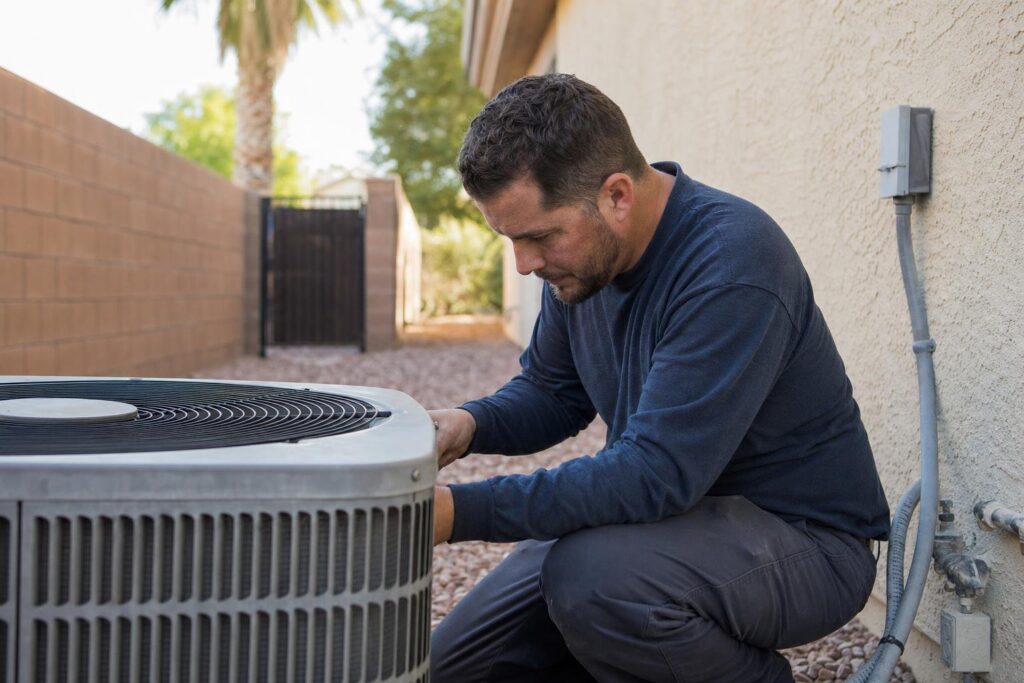
Your cooling system accounts for 50 to 70 percent of your summer electric bill in the Las Vegas area. Every other tip on this page adds up to maybe 15 percent in savings. Your HVAC system is where the real money is. These three steps alone can cut your cooling costs significantly before July hits.
Set Your Thermostat to 78°F
The U.S. Department of Energy recommends 78°F as the efficiency sweet spot for cooling in hot climates. Every degree you drop below that adds roughly 3 to 5 percent to your bill. Set it to 72°F and you could be paying 18 to 30 percent more than you need to.
A smart thermostat makes this easier. Program it to raise it to 85°F while the house is empty during work hours, then pre-cool back to 78°F about 30 minutes before you get home. You walk in comfortably. Your system runs less. That is a real reduction on your NV Energy bill, especially during back-to-back 110-degree days in July and August across Spring Valley and Henderson.
Change Your Air Filter Every 30 Days
The label on most filters says replace every 90 days. That is fine for mild climates. It is not fine here. Mojave Desert dust plus the traffic particulate from busy corridors near West University Avenue clogs filters fast. We pull filters out of homes in this area after 30 days that look like they have been in for six months.
Use a MERV 8 to MERV 11 filter. That range traps the particles that matter without restricting airflow the way higher-rated filters can. A clogged filter cuts system efficiency by 15 percent or more and wears out your equipment years early. Why changing your AC filter matters for efficiency goes deeper on this if you want the full picture.
Schedule a Professional AC Tune-Up
A tune-up is not just a sales call. Our certified technicians check refrigerant charge, clean the evaporator and condenser coils, and tighten electrical connections. Low refrigerant is one of the most common silent causes of inflated electric bills we find in Clark County homes. The system runs longer and harder to hit your set temperature, and most homeowners have no idea until the bill arrives.
Getting this done before peak heat hits is the smart move. If your system is already struggling in May, it will not keep up in August. If you are weighing the cost, read our breakdown of what an AC tune-up costs in Las Vegas in 2026 before you decide. Our team is available Monday through Sunday, 6:45 AM to 10:00 PM, and we carry a 4.7-star average from over 4,000 customer reviews. We stand behind the quality of every inspection, before any work begins.
Seal the Gaps, Block the Sun, and Stop Paying to Cool the Outdoors
Your AC can be perfectly tuned and still struggle if your home is leaking cool air through every gap around your doors and windows. In Spring Valley and Paradise, the dry desert air and brutal UV exposure dry out weatherstripping fast. Faster than in most climates. That means older stucco homes in the 89103 area are often leaking conditioned air around frames that look fine but aren’t.
Weatherstripping Doors and Windows
You can find leaks yourself without calling anyone. Light a stick of incense and move it slowly around your door and window frames on a hot afternoon. If the smoke bends or flickers, air is moving. That’s your cool air leaving and hot desert air sneaking in.
Foam tape or V-strip weatherstripping is inexpensive and available at any hardware store. It takes about 20 minutes to install. For homes along the West University Avenue corridor, where afternoon temperatures push well above 110°F, fixing these gaps is one of the highest-return home energy tips you can do in an afternoon.
Blackout Curtains and Solar Shades
West- and south-facing windows in this part of the valley can turn a room into a solar oven by mid-afternoon. A large uncovered west-facing window can add the thermal load of a 100-watt space heater running continuously from noon through early evening. Your AC runs longer to offset that heat, and your bill climbs.
Solar shades with a 5 to 10 percent openness factor block 80 to 90 percent of solar heat gain while still letting in diffused natural light. Blackout curtains are better for rooms where you want full darkness and are especially effective at blocking radiant heat from hot glass and walls after sunset. Keep them closed from noon to 6 PM. That single habit is one of the most practical summer energy saving tips for any home in this climate, and it costs nothing once the curtains are up.
Attic Insulation
Attic temperatures in this area regularly exceed 150°F in summer. Most older homes in the 89103 zip code were built with R-19 to R-25 insulation. Nevada recommends R-38 to R-60. That gap means your attic is working against your AC every single day from May through September.
Insulation upgrades are handled by insulation contractors, not HVAC companies. We’ll be upfront about that. But here’s why it matters to us: when your attic is properly insulated, your AC doesn’t have to work as hard, it runs fewer cycles, and it lasts longer. The inverse is also true. A well-insulated attic paired with a poorly maintained system still wastes money. Leaky ductwork is one of the biggest offenders, and understanding how duct cleaning improves airflow efficiency is a natural next step after you address the insulation layer above.
Your AC is already working harder than systems in almost any other city in the country. Give it the support it needs before peak heat arrives. Bumble Breeze Plumbing, Heating & Air serves Las Vegas, Henderson, Spring Valley, and Paradise, Monday through Sunday, 6:45 AM to 10:00 PM. Call us at (702) 674-9775 or stop by our location at 4755 W University Ave to schedule your AC tune-up or ask about any of the energy-saving steps covered here. Our team is ready when you are.
Frequently Asked Questions
How Much Can Energy Saving Tips Realistically Lower My Las Vegas Electric Bill?
Most Las Vegas homeowners who combine thermostat adjustments, air sealing, and regular HVAC maintenance report monthly savings between 15 and 30 percent during peak summer months. The exact amount depends on your home’s size, age, and current insulation levels. Bumble Breeze Plumbing, Heating & Air can assess your system during a tune-up and give you a realistic estimate based on your specific setup.
Does Ceiling Fan Use Actually Save Energy in Extreme Heat Above 110°F?
Ceiling fans do not lower air temperature, they only create a wind chill effect on skin, so they save energy only when you raise the thermostat a few degrees while the fan runs. If you leave the room and forget to turn the fan off, it wastes electricity with zero cooling benefit. In Las Vegas heat above 110 degrees, fans work best as a supplement to your AC, not a replacement.
Is a Smart Thermostat Worth the Cost for a Las Vegas Home?
Smart thermostats typically pay for themselves within one to two cooling seasons in a desert climate because they prevent the common mistake of overcooling an empty home during the day. Models that learn your schedule can cut runtime during peak NV Energy rate hours, which matters most in summer. Bumble Breeze Plumbing, Heating & Air installs and configures smart thermostats and can recommend a model compatible with your existing HVAC equipment.
Can Running My AC Less During the Day Cause Humidity or Air Quality Problems?
Las Vegas has very low ambient humidity, so reducing AC runtime during unoccupied hours rarely creates the moisture or mold concerns that homeowners in humid climates face. However, if your home gets excessively hot while you are away, your system has to work harder to recover, which can strain the compressor and increase wear. A programmed setback of no more than 7 to 10 degrees above your comfort temperature is the recommended ceiling for avoiding strain.
How Often Should a Las Vegas AC Unit Be Replaced Compared to Cooler Climates?
HVAC systems in Las Vegas typically last 12 to 15 years, compared to 15 to 20 years in milder climates, because they run far more hours per year and operate under intense heat stress. Skipping annual maintenance shortens that lifespan further. Bumble Breeze Plumbing, Heating & Air can inspect your unit and tell you whether repair or replacement offers the better long-term value for your home near the West University Avenue area.
Will Adding Insulation Affect My AC Performance the Same Summer It Is Installed?
Yes, properly installed attic insulation can produce noticeable improvements in the same billing cycle because it reduces the heat load your AC fights every hour of the day. The effect is most dramatic in single-story homes where the attic sits directly above living spaces. For best results, pair new insulation with an air sealing inspection so gaps around light fixtures and vents do not undercut the insulation’s performance.
Are There NV Energy Rebates That Apply to the Energy Saving Tips in This Article?
NV Energy currently offers rebates on qualifying smart thermostats, HVAC tune-ups through approved contractors, and insulation upgrades for eligible customers. Rebate amounts and program availability change seasonally, so it is worth checking the NV Energy website or asking Bumble Breeze Plumbing, Heating & Air directly before scheduling any work. Using a participating contractor like Bumble Breeze Plumbing, Heating & Air can simplify the rebate paperwork and ensure the work meets program requirements.
Ready to Get Started with Bumble Breeze Plumbing, Heating & Air?
Call (702) 674-9775 to speak with our team directly. We’re ready to answer your questions, walk you through your options, and help you find the right solution for your needs. Whether you’re just starting to plan or ready to move forward, we’ll make the process simple and stress-free. Reach out today and let’s talk about how we can help.