
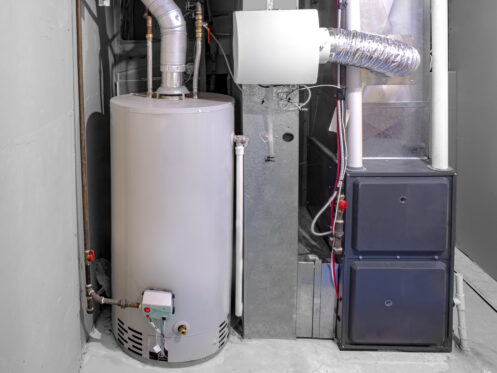
Upgrading to a high-efficiency gas furnace can significantly reduce heating costs while improving indoor comfort. Modern systems are designed to convert more fuel into usable heat, making them a smart long-term investment for homeowners evaluating a furnace installation or replacement. Understanding efficiency ratings, costs, lifespan, and performance differences will help you choose the right system for your home.
What Is a High-Efficiency Gas Furnace?
A high-efficiency gas furnace is a heating system with an Annual Fuel Utilization Efficiency (AFUE) rating of 90% or higher. AFUE measures how efficiently a furnace converts fuel into heat. For example, a 95% AFUE furnace converts 95% of its fuel into heat, with only 5% lost through exhaust.
Most high-efficiency gas furnaces include:
- Sealed combustion systems
- Secondary heat exchangers
- PVC venting instead of metal flues
- Variable-speed blower motors
- Two-stage or modulating burners
These features improve heating system efficiency while delivering more consistent indoor temperatures.
High-Efficiency Gas Furnace vs Standard Furnace
When comparing a high-efficiency gas furnace vs standard models, the biggest difference is the AFUE rating.
Standard furnaces typically operate at 80% AFUE, meaning 20% of fuel is lost through exhaust gases. High-efficiency gas furnaces range from 90% to 98% AFUE.
Other differences include:
- Venting: Standard furnaces use metal flues; high-efficiency models use PVC venting.
- Upfront cost: High-efficiency systems cost more initially.
- Operating cost: High-efficiency models reduce monthly heating bills.
- Comfort: Two-stage and modulating systems provide steadier heat.
While standard systems may cost less upfront, higher-efficiency models typically offer long-term energy savings.
Is a High-Efficiency Furnace Worth It?
In many cases, yes. A high-efficiency furnace is worth it if you:
- Plan to stay in your home long-term
- Experience high winter heating costs
- Want lower monthly utility bills
- Value consistent indoor comfort
Although the initial investment is higher, energy savings over time can offset installation costs. The return on investment depends on climate, energy rates, and how often your system runs.
What Is the Most Energy-Efficient Gas Furnace?
The most energy-efficient gas furnaces on the market reach up to 98–99% AFUE. These systems often feature:
- Modulating gas valves
- Variable-speed blower motors
- Advanced electronic controls
However, efficiency alone does not determine performance. Proper sizing and professional installation are equally important. An improperly sized system can reduce efficiency and shorten equipment lifespan.
What Is the Average Cost of a New High-Efficiency Furnace?
The average installed cost of a high-efficiency gas furnace typically ranges between $4,500 and $9,000, depending on:
- System size (BTUs required)
- AFUE rating
- Brand and model
- Installation complexity
- Ductwork modifications
- Labor costs
Higher AFUE ratings and advanced features increase equipment costs, but they also reduce long-term energy expenses.
What Is the Life Expectancy of a High-Efficiency Gas Furnace?
A properly installed and maintained high-efficiency gas furnace typically lasts 15–20 years. Regular heating maintenance, timely filter changes, and annual inspections can extend system lifespan.
Installation quality plays a major role in longevity. Even the best-rated high-efficiency gas furnace will underperform if improperly installed.
How to Choose the Best High-Efficiency Gas Furnace
Selecting the best high-efficiency gas furnace requires evaluating more than just the AFUE number.
Proper Sizing Matters
A professional load calculation determines the correct furnace size for your home. Oversized systems short cycle, while undersized systems struggle to maintain temperature.
Consider Efficiency vs Budget
Higher AFUE ratings reduce operating costs but increase upfront expenses. Compare long-term savings with the initial investment.
Look at Features
Modern high-efficiency gas furnaces may include:
- Two-stage heating
- Fully modulating burners
- Variable-speed motors
- Smart thermostat compatibility
These features improve comfort and indoor air distribution.
Review Warranty Coverage
Strong manufacturer warranties indicate confidence in product durability. Compare parts and heat exchanger warranties before making a decision.
Choose Experienced Installation
Even the best equipment depends on proper installation. Professional furnace installation ensures safe operation, optimal airflow, and maximum efficiency.
Signs It May Be Time for a Furnace Upgrade
If your current furnace is more than 15 years old, your heating bills keep increasing, or you’re experiencing uneven temperatures throughout your home, it may be time to consider upgrading to a high-efficiency system. Frequent furnace repair calls and operating an older unit with an 80% AFUE rating are also strong indicators that your system is no longer performing efficiently. Upgrading can improve indoor comfort, lower energy waste, and support more reliable long-term heating performance.