
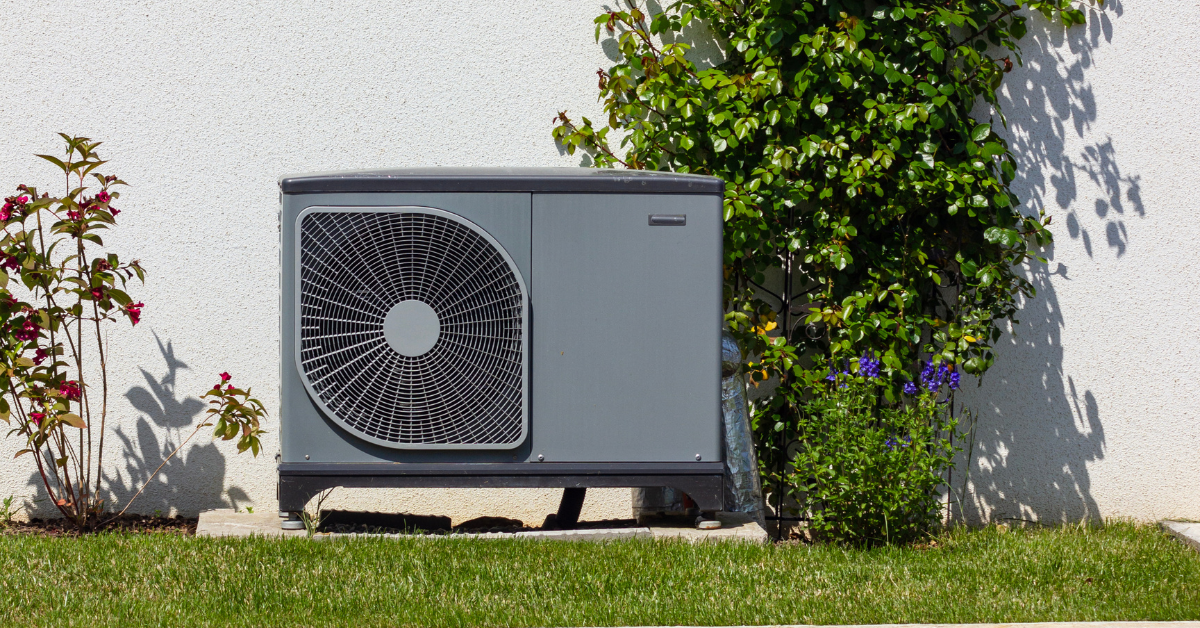
If you live in the Las Vegas valley, you know our local climate presents unique challenges. Homeowners regularly experience scorching summer temperatures followed by chilly, arid winters. This extreme weather leaves many wondering about the absolute best HVAC solutions for year-round comfort. Heat pumps in dry climates are incredibly popular due to their high energy efficiency, functioning seamlessly as both a heating and cooling system. However, a common question is how well these units perform when temperatures drop or when desert heat peaks. This guide explores how air-source systems handle the intense summer sun, how effective they are during cold, dry winters, and actionable ways to maximize your home comfort.
Handling the Intense Summer Heat
When evaluating new HVAC options, you might ask if a heat pump can actually handle the demanding local summers. The short answer is yes. If you are considering a new A/C installation, this equipment serves as a highly capable and energy-efficient alternative.
Cooling with a Heat Pump
A heat pump provides comfortable temperatures throughout the hottest months. It operates by removing heat from your indoor air and channeling it outside, effectively lowering the temperature of your living spaces. While the hottest desert days pose a major challenge, these hurdles are identical to the ones faced by traditional A/C units.
Industry standards dictate that a typical A/C system can lower an indoor temperature by approximately 20 degrees compared to the outdoor temperature. Heat pumps achieve these same results and often do so with greater efficiency. It is important to maintain realistic expectations during the peak of summer. If the outside temperature hits 100 degrees, your equipment will realistically cool your home to about 80 degrees. Setting the thermostat drastically lower will simply cause the system to run continuously without ever reaching that desired target.
Advantages of Cooling with a Heat Pump
Relying on this system during the summer offers several distinct advantages for your property:
- High Energy Efficiency: By transferring heat rather than generating cool air from scratch, these systems operate with impressive overall efficiency.
- All-in-One Convenience: A single integrated unit manages both your summer cooling and your winter heating needs.
- Natural Dehumidification: While running in cooling mode, the evaporator coil naturally pulls moisture from the air, draining it outside and automatically reducing indoor humidity levels.
Are Heat Pumps Effective During the Winter in Dry Climates?
Homeowners also need reliable warmth when winter arrives. These units come in air source and ground source varieties, with air source being the most common and affordable choice for residential properties.
How Air Source Heat Pumps Work in Winter
During winter, the system simply reverses its cooling process. The outdoor condenser unit pulls in outside air and passes it over a cold, low-pressure refrigerant coil. Thermal energy from the outdoor air transfers into the refrigerant. The warmed gas is then pumped indoors, where a blower fan circulates your indoor air over the hot coil. This process releases heat into your living spaces to keep you warm.
Temperature and Humidity Factors
Temperature plays a massive role in operating efficiency. These units achieve maximum performance at temperatures above freezing. When outdoor temperatures fall below freezing, the system requires significantly more energy to extract heat. Eventually, it must rely on an auxiliary electric heating function, which consumes much more electricity.
Dry climates do not directly harm mechanical efficiency, but low humidity can make your home feel warmer. Heating indoor air naturally lowers the relative humidity. Because dry air causes moisture to evaporate rapidly from your skin, you may feel cooler than the actual room temperature. Many people react by turning up the thermostat, which increases energy costs. Adding whole-home humidity control can keep indoor moisture levels between 30 and 50 percent, keeping you comfortable without overworking your heating system.
Dual-Heating Systems
In areas where temperatures occasionally drop below freezing, a dual-heating system offers an exceptionally energy-efficient solution. This setup pairs an electric heat pump with a secondary heating source, such as a natural gas or propane furnace. The system runs efficiently during mild winter days, and the furnace automatically takes over when the weather gets too cold.
Advantages of Heating with a Heat Pump
Relying on this setup during the colder months provides excellent value and comfort:
- Consistent Warmth: Delivers steady, even heating throughout your living spaces without the massive temperature fluctuations commonly found with older furnaces.
- Versatile Configurations: Available in both standard ducted models and ductless mini-split systems for homes without existing ductwork.
- Cost-Effective Operation: Using electricity to move ambient heat is generally more cost-effective than burning fossil fuels during mild winter weather.
Tips for Maximizing Efficiency Year-Round
Getting the absolute most out of your heating and cooling equipment requires a proactive approach to home maintenance and daily operation.
Reduce System Strain
You can easily help your home feel comfortable without overworking your equipment. Running ceiling fans or floor fans creates airflow, which naturally makes a room feel cooler in the summer. During mild mornings and evenings, give your system a break by opening windows to let in fresh air. This improves your indoor air quality and allows the mechanical components to rest.
Improve Home Insulation
Proper insulation keeps heat out during summer and traps warm air inside during winter. Inspect your exterior doors and windows for drafts, and seal any physical gaps you find. Additionally, verify that your attic has adequate insulation to prevent thermal loss.
Consider Ductless Options
If your home lacks a forced-air system, installing brand new ductwork can be an expensive undertaking. A ductless mini-split heat pump offers a highly efficient alternative. Mini-splits prevent the energy loss typically associated with leaky air ducts and allow you to control temperatures in individual rooms, lowering your overall utility bills.
Final Thoughts on Heat Pump Performance
Heat pumps are robust, versatile systems perfectly suited for the challenging climate of the Las Vegas valley. They expertly handle high summer temperatures by efficiently moving heat out of your home. During the winter, they provide steady, cost-effective warmth, especially when paired with a dual-heating system or a whole-home humidifier to combat desert air. By maintaining realistic temperature expectations and optimizing your home insulation, you can enjoy exceptional comfort and energy savings all year long.
Schedule Your HVAC Service Today
Ready to upgrade your home comfort? At Bumble Breeze, we proudly serve residents throughout Las Vegas, Henderson, Summerlin, and the broader Clark County area. Whether you need a routine maintenance check, a complex mechanical repair, or a complete A/C installation, our team is here to help. Contact us today to schedule an appointment and discover the true benefits of a modern heat pump system.
Frequently Asked Questions
Will a heat pump work if temperatures drop below freezing?
Yes, but the system will become less efficient. When temperatures dip below freezing, the unit uses an auxiliary electric heating element to properly warm your home. For maximum efficiency in colder weather, many homeowners use a dual-heating system that automatically switches to a gas furnace when temperatures drop.
Does a heat pump dry out the air in my home?
During the winter, heating your home will naturally lower the relative humidity, making the air feel drier. This dry air can make you feel colder than the actual room temperature. Installing a whole-home humidifier can balance moisture levels and vastly improve your comfort.
Can a heat pump replace my traditional A/C system?
Absolutely. This equipment acts as a highly efficient two-in-one system. It provides excellent cooling during the summer months by removing heat from your home, operating just as effectively as a traditional A/C unit.
Are ductless mini-splits better than ducted heat pumps?
Both options are highly effective, but ductless mini-splits offer unique advantages. They eliminate the energy loss associated with ductwork leaks and allow you to control the climate in individual rooms. They are highly recommended for homes that do not already have existing air ducts.